


Don't Sweat the Bill: High SEER Savings in the Sunshine State

Is a High Efficiency AC Worth the Extra Cost in Florida? Here's What You Need to Know
Is a high efficiency ac worth the extra cost in florida — and the short answer is: yes, for most homeowners, it is. Florida's brutal cooling season runs seven to nine months, and in South Florida, air conditioners run nearly year-round. That kind of runtime changes the math dramatically compared to other states.
Quick Answer: Is a High-Efficiency AC Worth It in Florida?
| Factor | Standard AC (14.3 SEER2) | High-Efficiency AC (17+ SEER2) |
|---|---|---|
| Annual run hours | 2,500–3,500 hrs | 2,500–3,500 hrs |
| Estimated cooling cost savings | Baseline | 20–40% less |
| Humidity control | Basic | Superior (variable-speed) |
| Typical payback period | N/A | 3–7 years |
| IRA tax credit eligibility | No | Up to $2,000 |
| Lifespan | 10–12 years in FL | 10–12 years in FL |
Here's the thing most homeowners miss: Florida isn't like Atlanta or Charlotte. Your AC runs roughly twice as many hours per year as a system in a northern state. That means every point of efficiency you gain works harder and pays back faster than almost anywhere else in the country.
The average Florida household runs its AC system approximately 2,500 to 3,500 hours per year — compared to just 1,000 to 1,500 hours in northern states. When you upgrade from an older 10 SEER system to a modern 16 SEER2 unit, you could cut your cooling costs by 30 to 40 percent. Over a seven-month (or longer) cooling season, that adds up quickly.
But efficiency ratings alone don't tell the whole story. Humidity control, installation quality, duct condition, and available incentives all affect whether a higher-efficiency system is truly worth it for your home in South Florida.
This guide walks you through everything you need to evaluate the real ROI — so you can make a confident, informed decision.
Understanding SEER2 and Florida’s 2026 Efficiency Standards
If you’ve been shopping for a new unit lately, you’ve likely noticed a new acronym: SEER2. But what exactly is it, and why did the old SEER rating go away?
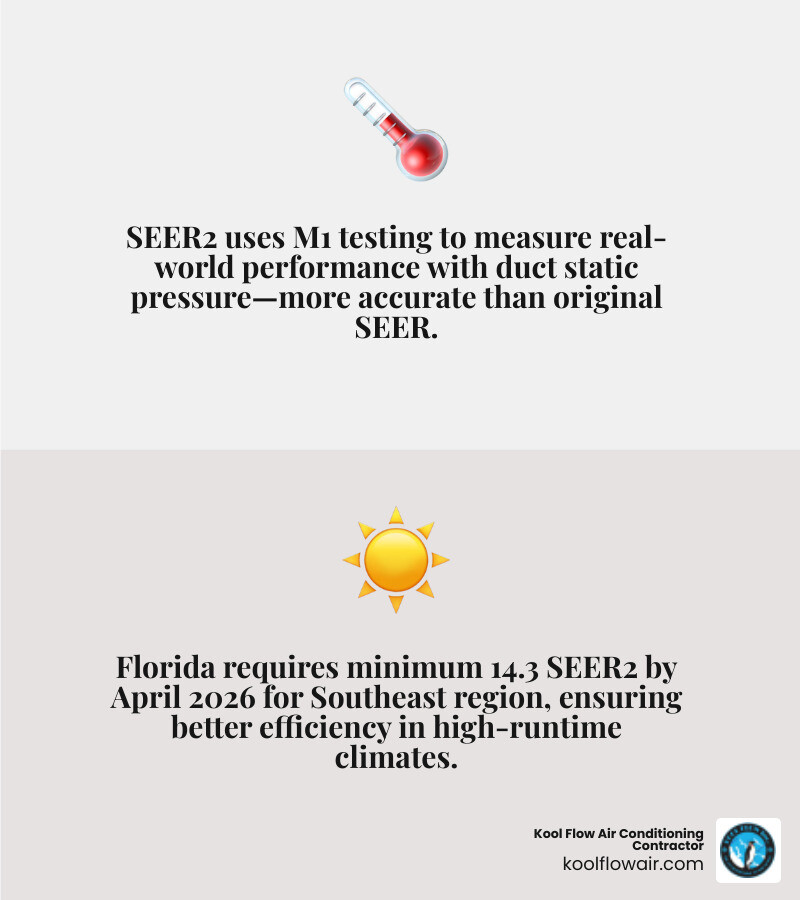
SEER stands for Seasonal Energy Efficiency Ratio. Think of it like the MPG for your car—the higher the number, the less energy it uses to do its job. However, the Department of Energy realized that the old testing methods didn't accurately reflect how units perform when connected to actual ductwork in a home. In 2023, the industry moved to SEER2, which uses "M1" testing procedures. This new standard accounts for the static pressure (resistance) of a home’s duct system, providing a much more realistic view of real-world performance.
For those of us in the Southeast region, which includes Florida, the regulations are strict. As of 2026, the federal minimum requirement for a new residential central AC unit under 45,000 BTUs is 14.3 SEER2. If your system is larger (45,000 BTUs and above), the minimum is 13.8 SEER2. To give you a point of comparison, a 14.3 SEER2 unit is roughly equivalent to a 15 or 16 SEER system under the old scale.
Living in places like Hollywood or Fort Lauderdale means our systems face unique challenges. How South Florida Climate Affects Your HVAC System is a critical topic because our high heat and salt air mean "minimum efficiency" might not actually be the most cost-effective choice over the life of the unit.
Is a high efficiency ac worth the extra cost in florida? Evaluating the ROI
When we talk about "Return on Investment" (ROI) for an AC unit, we’re looking at how long it takes for the monthly energy savings to pay back the higher upfront price of a premium system.
In Florida, the math is heavily skewed in favor of high efficiency. Because we run our systems for 2,500 to 3,500 hours a year, the "payback period" is significantly shorter than in the North. While a high-efficiency unit might cost more initially, most Florida homeowners recover that extra investment within 3 to 7 years. Given that a well-maintained system in South Florida typically lasts between 10 and 12 years, you could enjoy 5 to 9 years of pure profit in the form of lower utility bills.
Consider this: an 18 SEER2 system uses approximately 20 percent less electricity than a standard 15 SEER2 system for a typical 2,000-square-foot home. If you are upgrading from an ancient 10 SEER unit, the jump to a high-efficiency model can feel like a massive raise in your monthly budget. However, it’s important to remember that How Long Does an AC System Last in South Florida depends largely on how hard the unit has to work and how well it is cared for.
Why humidity control makes a high efficiency ac worth the extra cost in florida
In South Florida, "it's not the heat, it's the humidity" isn't just a cliché—it's a mechanical challenge. Outdoor humidity regularly hits 70% to 90%, and your AC has to work overtime to pull that moisture out of the air.
This is where high-efficiency systems really shine. Standard units are often "single-stage," meaning they are either 100% on or 100% off. They blast cold air, hit the temperature on the thermostat, and shut down. This often leads to a "cold and clammy" feeling because the unit didn't run long enough to remove the humidity.
High-efficiency systems usually feature variable-speed compressors or two-stage cooling. These systems can run at lower speeds for longer periods. This constant, gentle airflow is a masterclass in moisture removal. By maintaining a better Sensible Heat Ratio (SHR), these units keep your home at a consistent 45-55% humidity level, which prevents mold growth and protects your furniture. Plus, when the humidity is lower, you can often set the thermostat a few degrees higher and still feel perfectly comfortable.
Using Advanced HVAC Monitoring Predictive Maintenance can help ensure these sophisticated variable-speed components are always operating at peak performance.
How installation quality proves a high efficiency ac worth the extra cost in florida
You could buy the most expensive, high-efficiency AC unit on the market, but if it’s installed poorly, it will perform like a budget model. This is the "hidden" part of the ROI equation.
First, the system must be sized correctly using a Manual J load calculation. In Florida, bigger is not better. An oversized unit will "short-cycle," turning on and off so rapidly that it never removes humidity and wears out its components prematurely.
Second, your ductwork must be up to the task. Central air systems can lose 20% to 30% of conditioned air through leaky or uninsulated ducts. If you're pushing high-efficiency air into a leaky attic in Pompano Beach, you're literally throwing money away. We always recommend a thorough duct inspection during installation. In some cases, spending money on duct repair provides a better ROI than jumping to the highest SEER2 tier.
We utilize Advanced HVAC Diagnostic Technologies Methods to ensure that every part of the system—from the thermostat to the furthest vent—is working in harmony.
Maximizing Efficiency Through Proper Maintenance
Once you’ve invested in a high-efficiency system, the goal shifts to protecting that investment. Florida is a harsh environment for machinery. Between the sweltering heat and the corrosive salt air near the coast in places like Dania Beach and Lighthouse Point, "set it and forget it" is a recipe for a high utility bill.
Coil fouling is a major efficiency killer. When dust, pollen, or salt spray builds up on your outdoor condenser coils, the unit can't release heat effectively. This forces the compressor to work harder and run longer, evaporating your energy savings. Regular professional cleaning can restore airflow and maintain the SEER2 performance you paid for.
Furthermore, a simple dirty filter can increase energy use by 5% to 15%. In our tropical climate, we recommend checking filters monthly. If you're wondering How Often Should You Service Your AC in Florida, the answer for South Florida is at least twice a year. One visit should focus on deep cleaning and the other on electrical and mechanical calibration to ensure you're getting every bit of efficiency possible.
Federal Incentives and Long-Term Value
One of the best reasons to consider a high-efficiency upgrade right now is the financial help available through federal and local programs. These incentives significantly lower the "extra cost" of premium equipment.
- The Inflation Reduction Act (IRA): Under the 25C tax credit, homeowners can qualify for up to $2,000 annually for high-efficiency heat pumps or up to $600 for high-efficiency central AC units that meet specific criteria.
- Utility Rebates: Many Florida utility providers offer rebates ranging from $150 to $500 for installing Energy Star certified equipment.
- Manufacturer Promotions: During the off-peak season, manufacturers often offer significant rebates or specialized financing to move inventory.
- Home Resale Value: In the Florida real estate market, a high-efficiency HVAC system is a major selling point. It signals to buyers that the home has been well-maintained and will have lower carrying costs.
As we look toward Future Smart HVAC Technologies Sustainability, investing in high-efficiency equipment today prepares your home for a greener, more cost-effective future.
Frequently Asked Questions about High-Efficiency AC
Navigating HVAC can be confusing. Here are the most common questions we hear from our neighbors in Broward and Miami-Dade counties.
What is a good SEER2 rating for a home in Florida?
While 14.3 is the legal minimum, we typically find that the "sweet spot" for Florida homeowners is between 15.2 and 16.5 SEER2. This range offers a fantastic balance of upfront cost and long-term energy savings. If you are looking for top-tier comfort and the lowest possible bills, going to 17+ SEER2 with a variable-speed compressor is the way to go. For a system to be Energy Star certified in 2026, it generally needs to be 16 SEER2 or higher.
Does a higher SEER2 rating always guarantee lower bills?
Not necessarily. SEER2 is a measurement of potential, not a guarantee. Your actual bills are influenced by:
- Installation Quality: Was a load calculation performed?
- Duct Sealing: Are you cooling your attic?
- Insulation: Do you have enough R-value in your ceiling?
- Thermostat Settings: Are you using a programmable or smart thermostat correctly?
Following AC Maintenance Best Tips Broward County FL is the best way to ensure your high-efficiency unit actually delivers the savings it promised on the box.
When is the best time to upgrade to a high-efficiency system?
The absolute best time to upgrade is before your current system fails during a July heatwave. When you're in an emergency, you often have to settle for whatever unit is in stock.
If your system is over 10 years old, uses R-22 refrigerant, or requires frequent repairs, it’s time to start planning. The "off-peak" months of September through November are ideal, as you can often find better scheduling availability and seasonal promotions. Additionally, with the phase-out of R-410A refrigerant, upgrading now ensures you have a system compatible with the latest environmental standards. For a complete look at what to expect, check out our Broward AC Maintenance Complete Guide.
Conclusion
So, is a high efficiency ac worth the extra cost in florida? When you factor in our 3,000+ annual run hours, the oppressive humidity, and the available tax credits, the answer is a resounding yes. It’s an investment that pays for itself in comfort, air quality, and cold, hard cash.
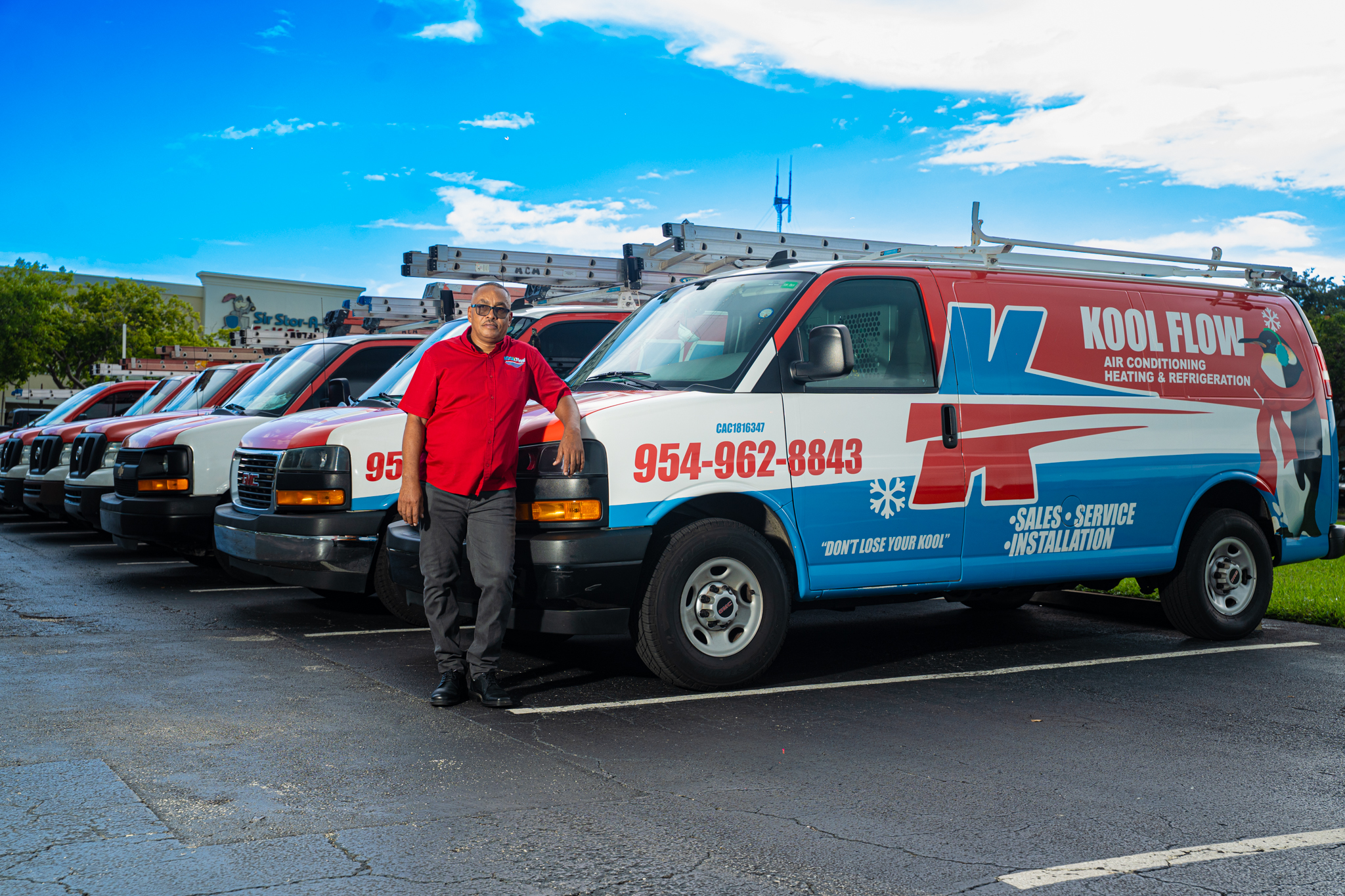
At Kool Flow Inc., we’ve spent over 20 years helping our neighbors in West Park, Weston, Pembroke Pines, and throughout South Florida stay cool without breaking the bank. As a family-owned business, we believe in honest pricing and reliable cooling. Whether you need a 5-year maintenance plan to protect your current unit or a consultation on a new high-efficiency system, we are here to help.
Don't wait for the next heatwave to start saving. Schedule your high-efficiency AC consultation today and let us help you find the perfect system for your home and your budget.


Hear what our satisfied
clients have to say

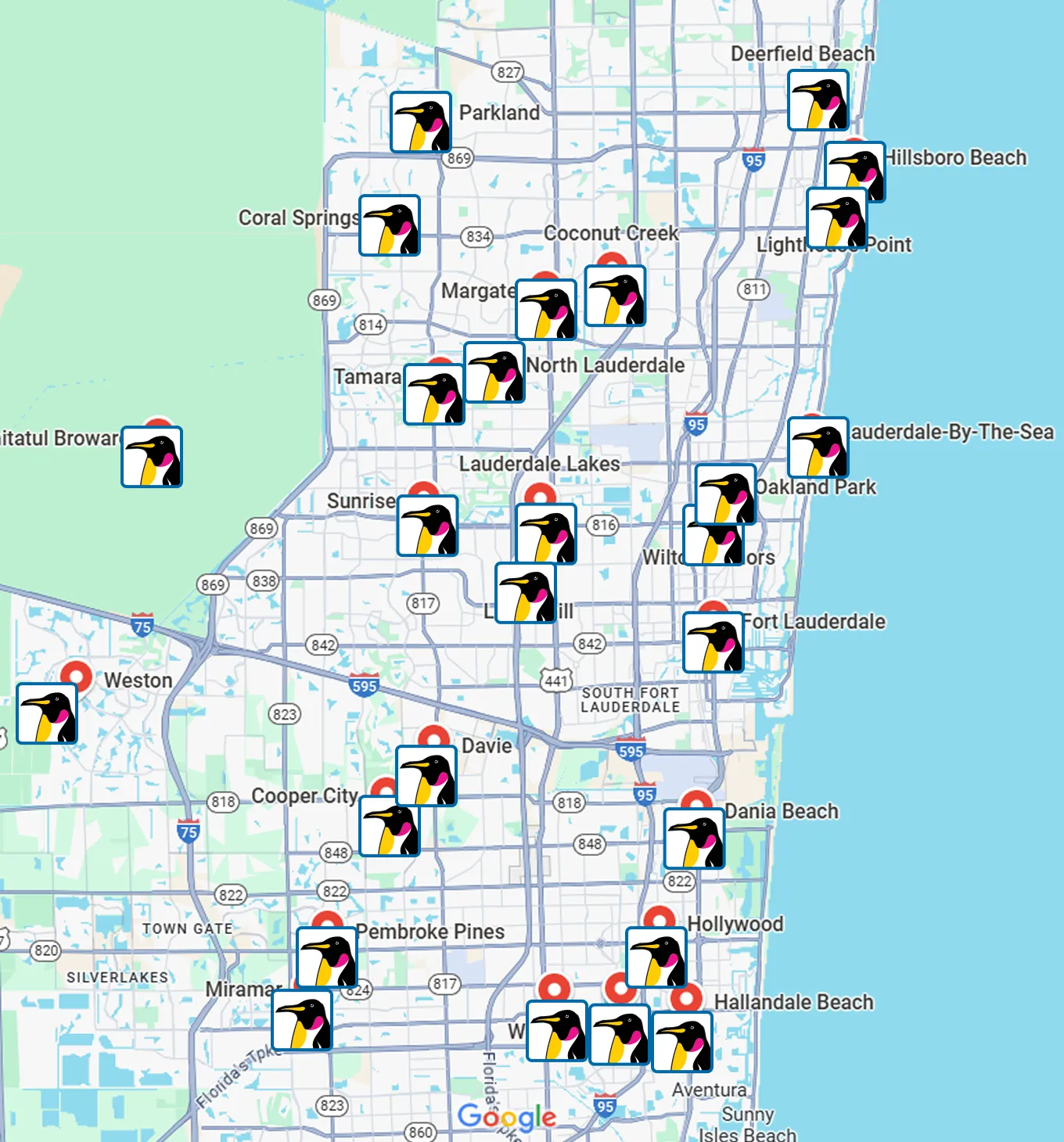
SERVICE AREAS